


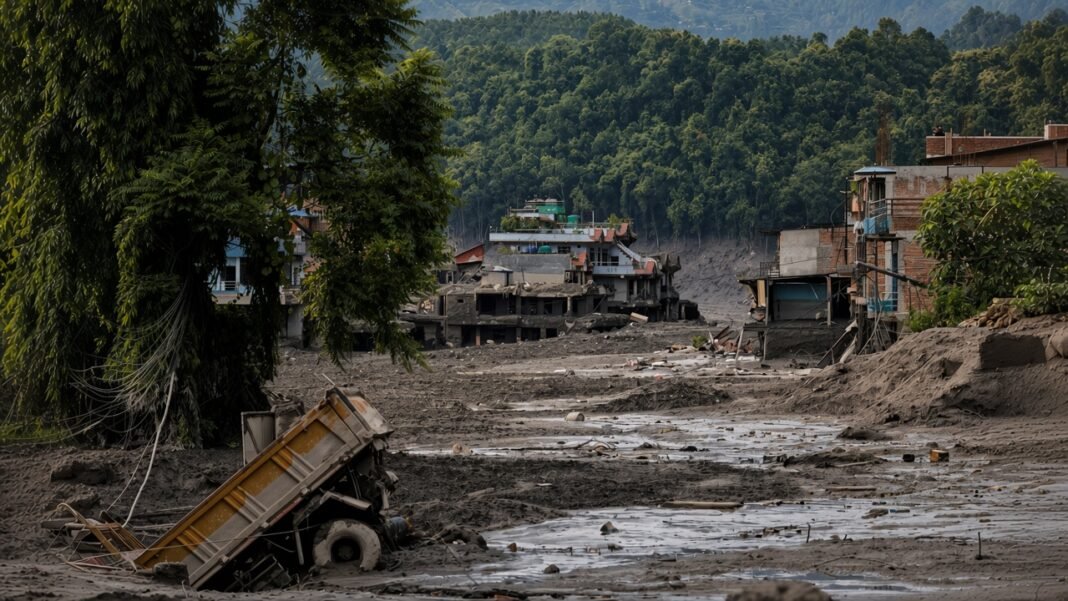
The Nepal-Tibet Border Floods have caused major damage across parts of the Himalayan region. Roads, bridges, homes and other important facilities have been hit by floodwater, mud and debris.
The flooding has also made it difficult for people to travel and for rescue teams to reach some areas. Rivers in the mountain region are carrying large amounts of water, adding to concerns about the safety of people living nearby.
Here is a closer look at what happened, what may have caused the floods and how the rescue work is going.
What Happened in the Nepal-Tibet Border Region?
The floods hit areas around the Nepal-Tibet border and quickly damaged roads and other transport links.
Fast-moving water swept through some places, while mud and rocks added to the destruction. Several roads and bridges were damaged, making it harder for residents and rescue workers to move from one place to another.
Read More:
- Europe Wildfires Grow as Heatwave and Dry Weather Continue
- Mecca Joint Defence Pact Sends Message of Peace and Unity
Some communities also experienced problems with electricity and communication services.
A major border crossing was affected as well. Floodwater brought large amounts of mud and debris into the area, creating more difficulties for people trying to reach the affected region.
For many people living in these mountain communities, the flooding happened so quickly that there was little time to prepare.
What Caused the Nepal-Tibet Border Floods?
The exact cause of the Nepal-Tibet Border Floods has not yet been fully confirmed.
One possibility is that a sudden geological event affected the mountains. An earthquake or similar movement may have caused ice, rocks or other material to fall into a river.
If a large amount of material enters a river, it can block the normal flow of water. When that blockage gives way, a large volume of water can move downstream in a short time.
The Himalayan region has many glaciers and steep, unstable slopes. Because of this, a sudden change high in the mountains can quickly become a serious problem for communities farther down the river.
More investigation will be needed to establish exactly what triggered the flooding.
Why Were the Floods So Dangerous?
Floods can be dangerous anywhere, but flooding in a mountain area can become especially destructive.
Rivers flowing down steep valleys can move very fast. They can also carry rocks, trees, mud and other debris along with the water.
That mixture can damage buildings, roads and bridges within a short period.
The location of many communities also adds to the risk. People often live close to rivers because the waterways are important for transport, electricity and everyday needs.
When the river level rises suddenly, there may be very little time for people to move to a safer place.
Roads and Bridges Were Heavily Damaged | Nepal-Tibet Border Floods
Damage to roads and bridges has become one of the biggest problems after the floods.
Water and landslides have affected routes connecting different mountain communities. Some bridges have also been damaged or become too dangerous to use.
This is a serious problem for rescue teams because they need clear roads to reach people and carry emergency supplies.
When a road is blocked, rescue vehicles may have to take a longer route. In places that cannot be reached by road, helicopters may be needed to help stranded people.
Concerns Over Missing People | Nepal-Tibet Border Floods
The floods have also raised concerns about people who were travelling or working in the affected areas.
People from several countries may have been in the region when the disaster struck. Authorities are working to find out who has reached safety and who is still unaccounted for.
This process can take time, especially in places where phone and internet services have been disrupted.
For families waiting for news, the situation remains extremely difficult. Rescue teams are continuing to search affected areas and gather information.
Could There Be More Flooding?
There are still concerns that more flooding could occur.
A landslide or a large amount of debris can block part of a mountain river. Water may then collect behind the blockage. If the blockage suddenly breaks, another surge could move downstream.
Authorities are therefore keeping a close watch on rivers and other high-risk areas.
People living near rivers have been asked to stay alert and follow instructions from local officials. If conditions become worse, residents in low-lying areas may need to move to safer ground.
Rescue Teams Face Difficult Conditions
Rescue work has been difficult because of the geography and damage caused by the floods.
Some roads remain blocked, while loose rocks and unstable slopes can make certain areas dangerous for rescue workers. Mud and debris have also made searches more difficult.
Weather conditions could create further problems for teams working in the mountains.
Rescue workers are trying to locate missing people, help those who are trapped and take residents away from dangerous areas.
Clearing damaged roads is another important task. Open roads will allow emergency teams to bring food, medicine and other supplies to communities that have been cut off.
Other Countries Offer Support | Nepal-Tibet Border Floods
The disaster has attracted attention outside the immediate border region.
Neighbouring countries and other governments have offered help with rescue and relief operations. Such support can be useful when local teams are dealing with a disaster across a large and difficult area.
Outside assistance may include rescue personnel, emergency workers and other forms of humanitarian support.
For now, the main concern is to protect people in affected areas and provide help to those who have lost access to basic services.
Why the Nepal-Tibet Border Floods Matter Beyond the Region
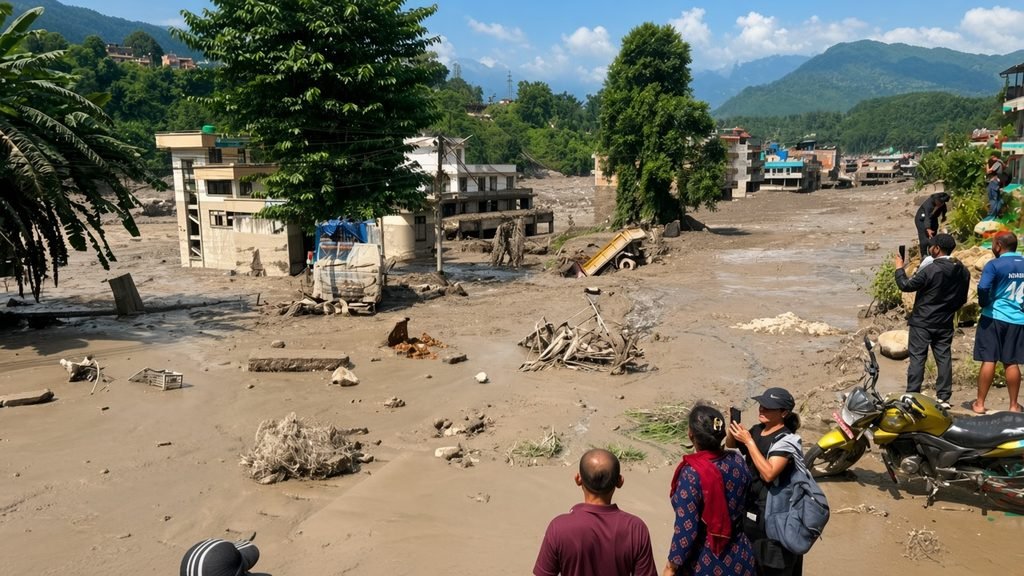
The Nepal-Tibet Border Floods could affect areas beyond the immediate border.
Many rivers in the Himalayan region flow from high mountain areas toward Nepal and northern India. When water levels rise sharply upstream, communities farther down the river can also face a greater risk.
This is why authorities may issue flood warnings well away from the location where the flooding first began.
The disaster also shows the risks faced by people living in mountain regions. Glaciers, rivers, landslides and earthquakes can all play a role in sudden natural disasters.
What Happens Next?
The coming days will be important for the affected communities.
Authorities will need to continue monitoring river levels and checking areas where further flooding or landslides could happen.
Rescue teams will also continue searching for missing people and helping residents who have been affected.
At the same time, officials will assess the damage to roads, bridges, homes and other infrastructure.
For people living near the affected rivers, staying informed and following official warnings will remain important until conditions become safer.
The Nepal-Tibet Border Floods have created a serious situation in the Himalayan region.
The damage is still being assessed, while rescue teams are working in difficult conditions to find missing people and assist affected residents.
The exact cause of the flooding will become clearer as authorities complete their investigation. Until then, attention remains focused on rescue work, river monitoring and keeping people away from dangerous areas.
The priority now is simple: save lives, support affected communities and reduce the risk of another disaster.



[…] Nepal-Tibet Border Floods: What Happened and What We Know […]
[…] Nepal-Tibet Border Floods: What Happened and What We Know […]