


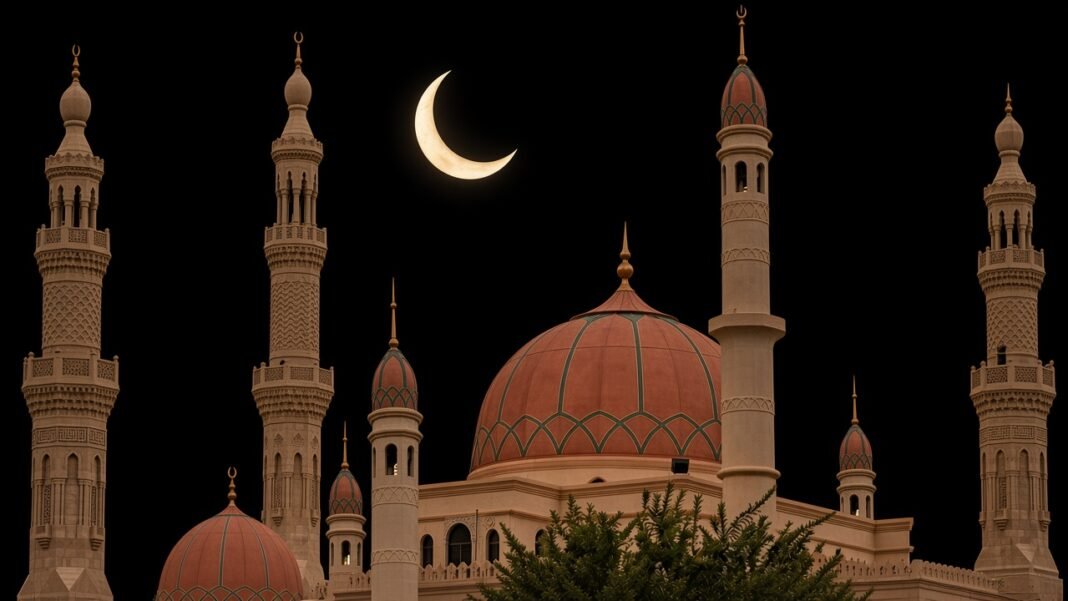
Eid-e-Miladunnabi will be observed in Bangladesh on Wednesday, August 26, which falls on 12 Rabi al-Awwal. The day is associated with the birth and passing of Prophet Muhammad (PBUH).
Many Muslims in Bangladesh remember the Prophet on this day and take part in religious activities. At the same time, many people ask an important question: What good deeds should be done on Eid-e-Miladunnabi? Is there any special prayer, fast, dua or zikr for this day?
The Quran and authentic Hadith provide clear guidance about loving and following Prophet Muhammad (PBUH). However, there is no specific obligatory prayer, compulsory fast, fixed dua or fixed number of zikr that is prescribed specifically for 12 Rabi al-Awwal.
Muslims can continue the good deeds that are encouraged throughout Islam, such as prayer, Quran recitation, Durood, dua, charity and helping people.
Following the Prophet Is the Most Important
The best way to show love for Prophet Muhammad (PBUH) is to follow his teachings and character.
The Quran describes the Prophet as an excellent example for believers in Surah Al-Ahzab, verse 21. Surah Al-Imran, verse 31 also connects following the Prophet with the love and forgiveness of Allah.
This means love for the Prophet should not be limited to one particular day. Muslims can try to follow his honesty, kindness, patience, justice, mercy and respect for the rights of others in their daily lives.
Sending Durood and Salam
Sending Durood and Salam upon Prophet Muhammad (PBUH) is an important act of worship.
Allah says in Surah Al-Ahzab, verse 56, that He and His angels send blessings upon the Prophet and instruct believers to send blessings and peace upon him.
There are also authentic Hadith about the reward of sending Durood. One well-known narration from Abu Huraira (RA) states that whoever sends blessings upon the Prophet once, Allah sends blessings upon that person ten times.
Therefore, Muslims may send Durood and Salam on Eid-e-Miladunnabi. However, there is no fixed number specifically prescribed for this day.
Learning About the Prophet’s Life
Rabi al-Awwal can also be a useful time to learn more about the life and teachings of Prophet Muhammad (PBUH).
Muslims can read his Seerah, learn about his character and teach children about the way he treated his family, neighbors, poor people, women, children and other members of society.
The Prophet’s life contains many lessons about mercy, honesty, patience, forgiveness and justice. Learning these lessons is more meaningful when they are also practiced in everyday life.
Quran Recitation, Zikr and Dua
Reading the Quran, remembering Allah, asking for forgiveness and making dua are good deeds that can be performed at any time.
On Eid-e-Miladunnabi, Muslims may spend time reading the Quran, making zikr and asking Allah for forgiveness and guidance.
They may also make dua for their families, their country and people who are facing difficulties.
However, there is no specific dua known as the compulsory or special “Eid-e-Miladunnabi dua” in the Quran or authentic Hadith. For this reason, Muslims should be careful before treating a particular dua as mandatory for 12 Rabi al-Awwal.
Giving Charity and Helping People
Helping people in need is another good deed that Muslims can perform.
A person may give charity, provide food to a hungry person, help a poor family or support someone who is facing financial difficulties.
Egypt’s Dar al-Ifta has discussed remembering the Prophet’s birth through permissible religious activities such as Quran recitation, zikr, dua and feeding people.
These good deeds, however, are not limited to 12 Rabi al-Awwal. Charity and helping others are encouraged throughout the year.
Is There a Special Fast for 12 Rabi al-Awwal?
A Hadith in Sahih Muslim is often discussed in relation to the Prophet’s birth.
Abu Qatada al-Ansari (RA) reported that the Prophet Muhammad (PBUH) was asked about fasting on Monday. He explained that it was the day on which he was born and the day revelation came to him.
The Hadith specifically discusses Monday fasting. Therefore, it should not automatically be understood as a command to observe a special fast every year on 12 Rabi al-Awwal.
This year, 12 Rabi al-Awwal in Bangladesh will fall on Wednesday, August 26. So the Hadith about Monday fasting should not be presented as a specific fasting instruction for that Wednesday.
A Muslim who wishes to observe a voluntary fast may do so according to the general rules of Islamic voluntary fasting. But it should not be described as a specially prescribed fast for 12 Rabi al-Awwal without reliable evidence.
Different Views About Eid-e-Miladunnabi Observance
Muslim scholars have different opinions about holding a special annual religious celebration for Eid-e-Miladunnabi.
Egypt’s Dar al-Ifta considers activities such as discussing the Prophet’s life, reciting the Quran, making zikr and dua, feeding poor people and expressing love for the Prophet to be permissible when they are carried out in accordance with Islamic principles.
On the other hand, some scholars, including former Saudi Grand Mufti Sheikh Abdul Aziz ibn Baz, have argued that there is no established example from the Prophet, his Companions or the early generations of Muslims for holding a separate annual religious celebration on 12 Rabi al-Awwal.
Because of this difference of opinion, Muslims may encounter different views about how the day should be observed.
There is no disagreement, however, about the importance of following the Prophet’s teachings and sending Durood and Salam upon him.
What Can Muslims Do on Eid-e-Miladunnabi?
A Muslim can use the day as an opportunity to improve their relationship with Allah and remember the teachings of Prophet Muhammad (PBUH).
Some beneficial activities include:
- Performing the five daily prayers properly.
- Sending Durood and Salam upon the Prophet.
- Reading the Quran.
- Making zikr and seeking Allah’s forgiveness.
- Making dua for oneself, family and others.
- Reading the Seerah of Prophet Muhammad (PBUH).
- Teaching children about the Prophet’s character and teachings.
- Giving charity to people in need.
- Providing food to poor and vulnerable people.
- Trying to follow the Prophet’s good character in daily life.
At the same time, Muslims should not describe a particular prayer, fixed dua, fixed number of zikr or special fast as obligatory or specially prescribed for 12 Rabi al-Awwal without reliable evidence.
The Main Lesson of Eid-e-Miladunnabi
The love of Prophet Muhammad (PBUH) is not something that should remain limited to a single day.
His life teaches Muslims about honesty, kindness, patience, forgiveness, justice and devotion to Allah. Following these qualities in everyday life can be a meaningful expression of love for the Prophet.
Eid-e-Miladunnabi can therefore be a time for reflection, learning and good deeds. Muslims can remember the Prophet, learn from his life, send Durood and Salam, read the Quran, make dua and help people in need.
Most importantly, the teachings of Prophet Muhammad (PBUH) can be carried beyond Rabi al-Awwal and practiced throughout the year.


[…] Eid-e-Miladunnabi: What Good Deeds Can Muslims Do According to the Quran and Hadith? […]