

ami amar website ei post ti korte chai, Dekho to ekhane sompurno post ti thik ache kinah:
Muhammad ﷺ: Introduction, Name and Early Life
Muhammad ﷺ is one of the most respected figures in human history. Muslims believe that he was the final Prophet and Messenger of Allah. His full name was Muhammad ibn Abdullah ﷺ. He brought the message of Islam and called people to worship one Allah, live honestly, show kindness, and follow a just and good way of life.
Before becoming a Prophet, Muhammad ﷺ was already known in Mecca for his honesty and good character. People trusted him and knew him as a truthful person. However, his childhood was not easy. He lost his father before he was born and later lost his mother when he was still very young. After that, his grandfather and uncle took responsibility for his care.
Who Was Muhammad ﷺ?
Muhammad ﷺ was born in Mecca, in Arabia. Muslims believe that Allah chose him as the final Prophet. Through him, the message of the Quran was revealed over many years.
His life was not that of a wealthy ruler. Before receiving the first revelation, he lived an ordinary life among the people of Mecca. He worked, traveled, married, and raised a family. He also experienced personal loss and hardship from a young age.
Read More:
Muhammad ﷺ was respected by the people of Mecca even before his Prophethood. He was known as Al-Amin, meaning “the Trustworthy,” and As-Sadiq, meaning “the Truthful.” Honesty and good character were important parts of his reputation.
His teachings later focused on honesty, patience, mercy, justice, and responsibility. He also taught people to treat family members, neighbors, children, poor people, and others with kindness and fairness.
The Meaning of the Name Muhammad
The name Muhammad comes from Arabic and is connected with the meaning of praise. It can be understood as “the one who is praised many times” or “the one who is worthy of praise.”
Muslims around the world use the name Muhammad with great love and respect. When mentioning his name, Muslims often write ﷺ, which means “peace and blessings be upon him.”
His full name is commonly given as Muhammad ibn Abdullah ﷺ. The word “ibn” means “son of,” so Muhammad ibn Abdullah means Muhammad, the son of Abdullah.
Muhammad ﷺ belonged to the Quraysh tribe of Mecca and the Banu Hashim clan. His family was respected in Meccan society. His grandfather, Abdul Muttalib, was an important and respected person among the Quraysh.
His Birth in Mecca
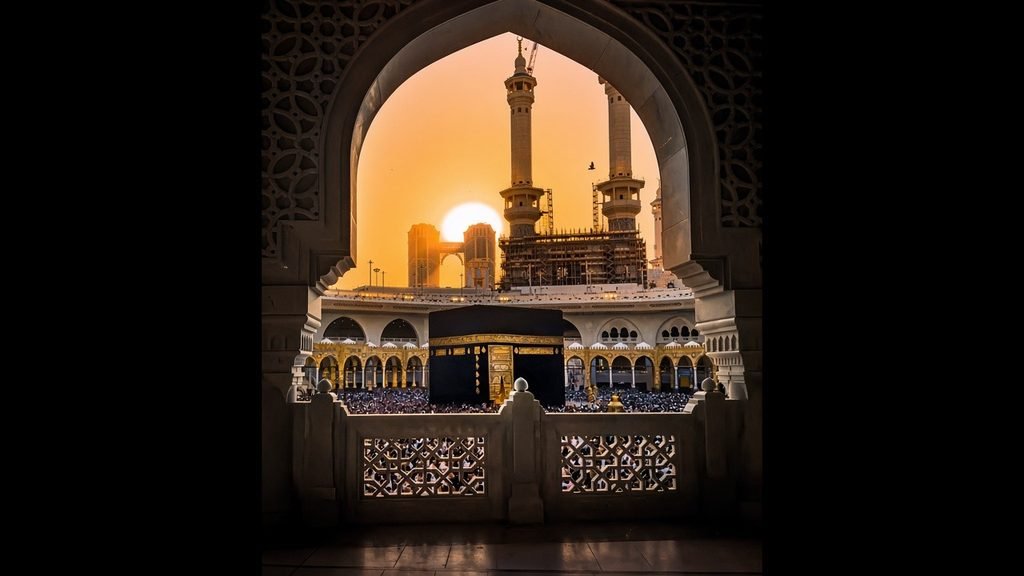
Muhammad ﷺ was born in Mecca, an important city in the Arabian Peninsula. Traditional Islamic sources place his birth in the Year of the Elephant, generally dated to around 570–571 CE.
At that time, Mecca was an important center of trade and tribal life. The Kaaba was also located there and had an important place in the religious life of the Arabs.
Arab society was strongly connected to family and tribal relationships. There was no single central government controlling all the tribes. Family and tribal connections were important because they could provide protection and support.
People in Arabia followed different religious practices. Many worshipped idols, while Jewish and Christian communities were also present in parts of the wider region.
Muhammad ﷺ was born into this society and spent his early years in Mecca.
His Parents and Family
Muhammad ﷺ was the son of Abdullah ibn Abdul Muttalib and Aminah bint Wahb. Both came from respected Quraysh families.
His father, Abdullah, died before Muhammad ﷺ was born. Because of this, Muhammad ﷺ never had the chance to know his father.
During his early childhood, Muhammad ﷺ spent some time with Halimah al-Sa’diyah of the Banu Sa’d tribe. It was a common custom for some children of Mecca to spend part of their early years in the desert.
Later, he returned to his mother and family in Mecca. His early life was already different from that of many other children because he had grown up without his father.
The Loss of His Mother
When Muhammad ﷺ was around six years old, his mother Aminah died while returning from a journey. According to traditional accounts, she had taken him to Yathrib, later known as Medina, where they visited relatives and the grave of his father.
On the way back to Mecca, Aminah became ill and died at Abwa, a place between Mecca and Medina.
Muhammad ﷺ was still a young child at that time. He had already lost his father before birth, and now he lost his mother as well.
After his mother’s death, his grandfather Abdul Muttalib took responsibility for him.
Life Under His Grandfather
Abdul Muttalib was a respected elder of the Quraysh. After Aminah’s death, he cared for his young grandson and became an important source of protection and support.
However, Muhammad ﷺ did not remain under his grandfather’s care for very long. When he was around eight years old, Abdul Muttalib also died.
This was another major loss in his childhood. After his grandfather’s death, responsibility for Muhammad ﷺ passed to his uncle Abu Talib.
Life Under Abu Talib
Abu Talib was the brother of Muhammad’s ﷺ father, Abdullah. After the death of Abdul Muttalib, he took Muhammad ﷺ into his care.
Abu Talib provided him with family support and protection. Their relationship remained important for many years. Even though Abu Talib’s household was not known for great wealth, he accepted the responsibility of caring for his nephew.
As Muhammad ﷺ grew older, he began taking part in everyday work and activities in Meccan society. Later, when he began calling people to Islam, Abu Talib also provided important protection during difficult times.
His Early Life and Family Support
The early life of Muhammad ﷺ was marked by both loss and family support. He lost his father before birth, his mother at around six years old, and his grandfather at around eight.
Despite these painful experiences, he was not left without care. His mother cared for him during his earliest years, his grandfather looked after him after her death, and his uncle Abu Talib later took responsibility for him.
Muhammad ﷺ therefore grew up as an orphan while still having family members who supported and protected him.
His early life in Mecca, his respected family background, and the hardships he experienced all became important parts of his life story. Before he became the Prophet of Islam, he was a young child who experienced personal loss and received care from those around him.
These early years are an important starting point for understanding the life of Muhammad ﷺ. His birth, family, name, childhood, and experiences in Mecca all came before the later events that would change the history of Arabia.
Youth, Character and Family Life of Muhammad ﷺ
The life of Muhammad ﷺ before Prophethood was filled with many important experiences. He faced the loss of close family members from a very young age, learned to take responsibility, worked for a living, became involved in trade, married Khadijah bint Khuwaylid, and built a family. During these years, the people of Mecca came to know him as an honest and trustworthy person.
Muhammad ﷺ lost his father before he was born. His mother, Aminah, died when he was still a child. After that, his grandfather Abdul Muttalib cared for him for a short time. When his grandfather also passed away, his uncle Abu Talib took responsibility for him.
As Muhammad ﷺ grew older, he learned how to manage the responsibilities of life. He did not grow up in luxury. He worked from a young age and later became involved in trade. His work helped him understand the value of responsibility, honesty, and hard work.
His Work and Life as a Young Man
Traditional Islamic accounts mention that Muhammad ﷺ worked as a shepherd during his younger years. Shepherding required patience and care. A shepherd had to look after the animals, protect them, and remain alert.
Later, Muhammad ﷺ became involved in trade. Mecca was an important trading center, and many people earned their living through business. Trade caravans traveled to different places with goods, creating business relationships between people from different areas.
Muhammad ﷺ became known for his honest dealings. People trusted him because he treated others fairly and took responsibility seriously. In business, trust was very important because traders often handled other people’s money and valuable goods.
His good reputation did not come from a single event. It developed over many years through his everyday behavior. People in Mecca saw how he worked, spoke, and dealt with others.
Because of his character, Muhammad ﷺ became known as Al-Sadiq, meaning “the Truthful,” and Al-Amin, meaning “the Trustworthy.”
Al-Sadiq and Al-Amin
The names Al-Sadiq and Al-Amin were closely connected with Muhammad’s ﷺ life before Prophethood.
Being truthful means speaking honestly and not deceiving others. Being trustworthy means that people can depend on a person to keep promises, protect property, and act responsibly. Muhammad ﷺ became respected because people saw these qualities in his daily life.
The people of Mecca had known him for many years before he received the first revelation. They knew his family and had seen him grow from a young man into an adult. Some had also dealt with him through business and other social relationships.
For this reason, his reputation was already well established before he began calling people to Islam. He was not a stranger to the people of Mecca. He was someone they had known for a long time.
Marriage to Khadijah
One of the most important parts of Muhammad’s ﷺ adult life was his marriage to Khadijah bint Khuwaylid.
Khadijah was a respected woman of Quraysh and was known for her involvement in trade. Muhammad ﷺ worked in connection with her business. His honest behavior and good conduct made a strong impression.
According to the widely known traditional account, Muhammad ﷺ was about twenty-five years old when they married, while Khadijah’s age is traditionally given as around forty, although historical reports differ.
Their marriage became an important part of his personal life. They lived together in Mecca and built a family. Khadijah later became one of the strongest sources of support in his life.
When Muhammad ﷺ received the first revelation, he returned home deeply affected by the experience. Khadijah comforted him and stood beside him. In Islamic tradition, she is remembered as the first person to believe in him after the beginning of revelation.
His Family and Children
Muhammad ﷺ and Khadijah had children together. Their sons were Al-Qasim and Abdullah, while their daughters were Zaynab, Ruqayyah, Umm Kulthum, and Fatimah.
Muhammad ﷺ was known by the kunya Abu al-Qasim, meaning “father of Al-Qasim.”
His family life included both happiness and sadness. His two sons, Al-Qasim and Abdullah, died when they were young. Losing his children was another painful experience in a life that had already included many personal losses.
His daughters grew up and became important members of his family. Among them, Fatimah later became especially well known in Islamic history.
Before Prophethood, Muhammad ﷺ lived as a husband and father. His life was not yet centered on public leadership. He worked, cared for his household, maintained relationships with relatives, and lived among the people of Mecca.
His Relationship with Family
Family played an important role throughout Muhammad’s ﷺ life. He had depended on his grandfather and uncle after losing his parents. As an adult, he later had a household of his own.
During his later years in Mecca, Muhammad ﷺ took responsibility for caring for his cousin Ali ibn Abi Talib, whose father Abu Talib was facing financial difficulties. Ali was the son of Abu Talib, the same uncle who had cared for Muhammad ﷺ after the death of his grandfather.
These family relationships remained important throughout his life. Muhammad ﷺ knew the importance of family care because he had experienced it himself from childhood.
His Character Before Prophethood
Muhammad ﷺ was already known for good character before he became a Prophet. His reputation for honesty and trustworthiness had developed over many years.
He worked among his people, traveled for trade, married, raised children, and lived as part of Meccan society. Through these ordinary parts of life, people learned about his character.
Traditional accounts describe him as a person who avoided dishonesty and maintained a respectable way of life. He was not separate from society, but he was known for his good conduct within it.
As he approached the age of forty, he became increasingly interested in reflection and worship. He spent periods of time in the Cave of Hira, away from the busy life of Mecca.
The Beginning of a New Chapter
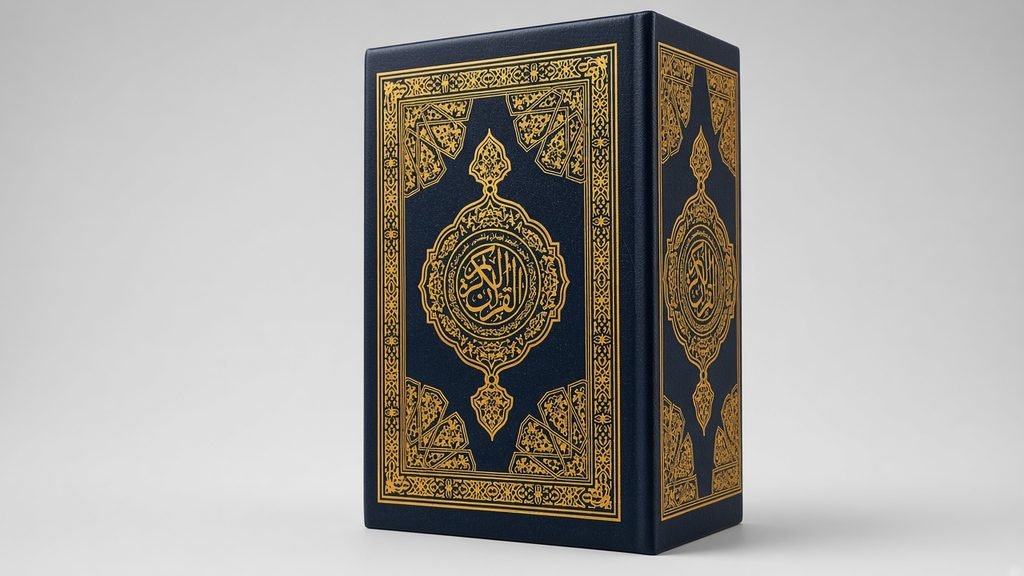
Muhammad ﷺ was around forty years old when he received the first revelation in the Cave of Hira. According to Islamic tradition, the Angel Jibril brought him the first words of the Quran.
This moment marked the beginning of his Prophethood and a completely new chapter in his life.
However, his life did not begin at that moment. Before receiving revelation, he had already lived through childhood, family loss, work, trade, marriage, parenthood, and many years of life among the people of Mecca.
By the age of forty, Muhammad ﷺ was already known as Al-Sadiq and Al-Amin. He had earned the trust of people through his actions and had built a family with Khadijah.
His early life therefore forms an important part of his biography. The young orphan grew into a responsible adult. The hardworking young man became a respected trader. The honest man became known as Al-Sadiq and Al-Amin. He became a husband and father and experienced both family happiness and personal loss.
These years came before the beginning of his mission as the Messenger of Allah. They provide the background to the life and mission that followed.
The Beginning of Prophethood and the Message of Islam
The beginning of Prophethood was the most important turning point in the life of Muhammad ﷺ. Before becoming the Prophet, he was already known in Mecca as an honest and trustworthy person. People respected him for his good character and called him Al-Sadiq (the Truthful) and Al-Amin (the Trustworthy).
Muhammad ﷺ was around forty years old when he began spending more time in the Cave of Hira, away from the busy life of Mecca. He would go there for quiet time, worship, and reflection. At that time, idol worship was common in Mecca, and society had many problems. Muhammad ﷺ was deeply concerned about the condition of the people around him.
The First Revelation
According to Islamic tradition, the first revelation came to Muhammad ﷺ while he was in the Cave of Hira around 610 CE. The Angel Jibril appeared before him and brought the first message from Allah.
The first revealed verses are traditionally connected with the opening verses of Surah Al-Alaq. They begin with a command to read or recite in the name of the Lord who created. These verses also mention knowledge, the pen, and the teaching of human beings.
This experience changed Muhammad’s ﷺ life forever. After receiving the revelation, he returned home deeply affected by what had happened. He told his wife, Khadijah, about the experience. She comforted him and stood beside him during this difficult moment.
Khadijah became the first person to believe in Muhammad ﷺ and his Prophethood according to Islamic tradition. Her support was especially important because this was only the beginning of a long and difficult mission.
The Beginning of the Message
After the first revelation, Muhammad ﷺ began his work as the Messenger of Allah. At first, he shared the message with people close to him. The number of believers was very small, but they were willing to accept and follow the new message.
Among the earliest Muslims were Khadijah, Ali ibn Abi Talib, Zayd ibn Harithah, and Abu Bakr. These people became part of the first Muslim community and supported Muhammad ﷺ when Islam was still known only to a small number of people.
The message of Islam was simple at its heart: Allah is One, and only Allah deserves to be worshipped. Muhammad ﷺ called people to leave idol worship and believe in the One God.
But Islam was not only about belief. Muhammad ﷺ also taught people to be honest, fair, kind, and responsible. He reminded them that every person would be answerable to Allah for his or her actions.
The Role of Khadijah
Khadijah had a special place in the beginning of Islam. She was not only the wife of Muhammad ﷺ but also the first person to believe in his message.
She had known Muhammad ﷺ for many years and was familiar with his character. She knew him as an honest and trustworthy man. When he returned from the Cave of Hira after the first revelation, she listened to him and gave him comfort.
Her support gave Muhammad ﷺ strength during the early days of his mission. She remained beside him even when the message of Islam later faced strong opposition in Mecca.
Because of her faith and support, Khadijah is remembered as one of the most important people in the early history of Islam.
The Early Muslim Community
The first Muslims formed a small but close community. They learned about Islam directly from Muhammad ﷺ and listened to the verses that were revealed to him.
Ali ibn Abi Talib was among the early believers. He was the son of Abu Talib and had a close relationship with Muhammad ﷺ.
Zayd ibn Harithah was also among the earliest followers. He was closely connected with Muhammad’s ﷺ household and knew him personally.
Abu Bakr was another important early Muslim. He was a close companion of Muhammad ﷺ and later became one of the most important figures in Islamic history.
At this stage, Islam was still a small movement. The early Muslims did not have political power or a large community behind them. Their main strength was their faith in Allah and their trust in Muhammad ﷺ.
The Main Message of Islam
The central teaching of Islam was Tawhid, the belief that Allah is One and has no partner.
Muhammad ﷺ called people to worship Allah alone and reject the worship of idols. This was a major challenge to the religious practices of Mecca, where idol worship was common.
Islam also taught that people were responsible for their actions. Wealth, family background, or social position did not remove a person’s responsibility before Allah.
The message encouraged people to speak the truth, keep promises, treat others fairly, help those in need, and avoid injustice. Belief in Allah was therefore connected with everyday behavior.
Muhammad ﷺ taught that life in this world would not last forever. People would return to Allah and would be accountable for what they had done. This belief in the Day of Judgment gave greater importance to every person’s actions.
From Private Teaching to Public Call
In the beginning, Muhammad ﷺ invited people to Islam privately. He spoke to family members, friends, and people he trusted. This allowed the first Muslims to learn the message and strengthen their faith.
As the number of believers slowly increased, the message eventually became public. Muhammad ﷺ began openly calling the people of Mecca toward Islam.
He asked them to worship Allah alone, leave idol worship, and live a life based on truth and righteousness. He also reminded them about the Day of Judgment and their responsibility before Allah.
The public call was an important change. Islam was no longer limited to a small group of people. The wider population of Mecca was now hearing Muhammad’s ﷺ message.
Opposition in Mecca
Not everyone accepted the message of Islam. Many people in Mecca rejected Muhammad ﷺ and strongly opposed his teachings.
One major reason was the call to leave idol worship. The message of Tawhid directly challenged beliefs that had been followed by many people for generations.
Some people were willing to listen, while others refused to accept his claim of Prophethood. As Muhammad ﷺ continued preaching, opposition became stronger.
Despite this, he continued his mission. The early Muslims also remained committed to their faith.
The beginning of Islam was therefore a period of both hope and difficulty. A small group of people had accepted a new faith, while much of Meccan society remained opposed to it.
A New Beginning
The first revelation in the Cave of Hira began a completely new chapter in the life of Muhammad ﷺ. He was no longer living only as a respected man of Mecca. He now had the responsibility of delivering Allah’s message to humanity.
The message began with a small group of believers but gradually reached more people. Its central teaching was clear: worship Allah alone, believe in His guidance, and live a good and responsible life.
The early Muslims accepted this message at a time when they were few in number. Their faith and support helped establish the first Muslim community.
From the quiet moments in the Cave of Hira to the public call in Mecca, the beginning of Prophethood was a gradual journey. These events formed the foundation of the mission of Muhammad ﷺ and the early history of Islam.
The Meccan Period and the Hijrah
The Meccan period was one of the hardest and most important stages in the life of Prophet Muhammad ﷺ. After receiving revelation, he began calling people to worship Allah alone and leave idol worship. He also taught people to be honest, kind, fair, and responsible for their actions.
At first, only a small number of people accepted Islam. Many others rejected the message. The leaders of Quraysh were especially worried because Islam challenged the religious and social traditions of Mecca. Muhammad ﷺ taught that people should not be judged by wealth, family, or tribal position, but by their faith and good deeds.
As more people accepted Islam, opposition became stronger. Muslims faced insults, threats, pressure, and persecution. Those who did not have powerful families were often treated most harshly. Some Muslims were also pressured by their own relatives to leave Islam.
The difficulties continued for several years. Muhammad ﷺ remained patient and continued his mission. Some Muslims eventually left Mecca and migrated to Abyssinia, where they hoped to live safely. This was one of the earliest migrations in Islamic history.
Opposition in Mecca
The message of Islam was simple but very powerful. Muhammad ﷺ called people to believe in one Allah and reject idols. He also reminded them that every person would be responsible before Allah for what they did.
For many leaders of Mecca, this message was difficult to accept. Idol worship was closely connected with the religious traditions of the city. The Kaaba was an important religious center, and many tribes had connections with the customs surrounding it.
The new message also challenged social differences. Islam taught that wealth and tribal status did not make one person better than another. It also encouraged people to care for the poor and weak.
Because of these teachings, opposition to Muhammad ﷺ grew. At first, his opponents used insults and criticism. Later, pressure against the Muslims became much more serious.
Persecution of the Early Muslims
Not all Muslims were protected in the same way. In Meccan society, family and tribal connections were very important. A person from a powerful family could receive some protection, while someone without strong family support could be left vulnerable.
Some early Muslims were threatened by their families. Others were beaten or treated badly because they refused to give up Islam.
Bilal ibn Rabah is one of the best-known examples. He was enslaved and suffered severe persecution after accepting Islam. His story became a famous example of patience and strong faith among the early Muslims.
Muhammad ﷺ could not prevent every form of persecution. However, he continued to support his followers and teach them to remain firm in their faith.
He himself also faced constant opposition. People who had once known him as an honest and trustworthy man now rejected his message. Even so, he continued to invite people toward Islam.
The Boycott of Banu Hashim
The opposition later became even stronger. According to traditional Islamic accounts, Quraysh imposed a social and economic boycott against Banu Hashim and those who supported Muhammad ﷺ.
The boycott created serious difficulties. Normal social and business relationships were restricted, making life very difficult for Muhammad ﷺ, his family, and those around him.
The hardship continued for several years before the boycott finally ended. By this time, the Muslim community had already experienced years of pressure.
Muhammad ﷺ also suffered two major personal losses during this difficult period. His wife Khadijah رضي الله عنها died, followed by the death of his uncle Abu Talib.
The Loss of Khadijah
Khadijah رضي الله عنها was one of the most important people in Muhammad’s ﷺ life. She was his wife and the first person to believe in his message after the first revelation.
During the early years of Islam, she gave him emotional support when he was facing rejection and opposition. Her belief in him was especially important when the number of Muslims was still very small.
Her death was therefore a deeply painful loss for Muhammad ﷺ. He lost not only his wife but also one of his closest supporters.
Her role in the early history of Islam remains very important because she stood beside Muhammad ﷺ during the beginning of his mission.
The Death of Abu Talib
Abu Talib was Muhammad’s ﷺ uncle. He had cared for him after the death of his grandfather Abdul Muttalib and continued to protect him during the difficult years in Mecca.
According to traditional Islamic accounts, Abu Talib did not accept Islam, but he still protected Muhammad ﷺ because of their family relationship.
His protection was important in Meccan society. After his death, Muhammad ﷺ lost an important source of family protection.
The deaths of Khadijah and Abu Talib made an already difficult period even harder. This period is commonly remembered as the Year of Sorrow.
Migration to Abyssinia
As persecution increased, Muhammad ﷺ allowed some of his followers to leave Mecca and seek safety in Abyssinia, a land across the Red Sea associated with present-day Ethiopia and Eritrea.
The ruler of Abyssinia was known as the Negus, or Al-Najashi. Traditional Islamic accounts describe him as a just ruler who allowed the Muslim migrants to remain under his protection.
For the Muslims who left Mecca, the journey was not easy. They were leaving their homes, families, and familiar surroundings. They were going to a different land where the people spoke a different language and followed a different religion.
They made this sacrifice because they needed a safe place where they could continue to practice Islam.
The migration to Abyssinia showed how serious the situation in Mecca had become. It also showed the determination of the early Muslims to protect their faith.
The Muslims and the Negus
The Quraysh did not simply forget about the Muslims who had gone to Abyssinia. Traditional accounts say that representatives from Mecca went to the court of the Negus and tried to convince him to send the Muslims back.
The Muslims were given an opportunity to explain why they had left Mecca.
Ja’far ibn Abi Talib رضي الله عنه is remembered for speaking on behalf of the Muslims. He explained how life had been before Islam and how Muhammad ﷺ had taught them to worship Allah and live better lives.
The Negus listened to their explanation and allowed them to remain in his land.
This gave the Muslim migrants an important place of safety while Muhammad ﷺ and other Muslims continued living in Mecca.
Looking Beyond Mecca
Although some Muslims were safe in Abyssinia, Muhammad ﷺ and many of his followers remained in Mecca.
Muhammad ﷺ continued to meet people from different tribes and invite them to Islam. Many rejected his message, but some people were willing to listen.
Among those who listened were people from Yathrib, a city located north of Mecca.
Yathrib had several different groups and had experienced conflicts between its Arab tribes, especially Aws and Khazraj. Some people from the city accepted Islam after meeting Muhammad ﷺ.
They returned to Yathrib and shared the message with others. Gradually, more people there became Muslims.
This created a new possibility for Muhammad ﷺ and his followers. They now had people outside Mecca who were willing to support the Muslim community.
The Pledges of Aqabah
The meetings at Aqabah became an important step toward the Hijrah.
People from Yathrib met Muhammad ﷺ and accepted Islam. Later, a larger group made a pledge to support and protect him.
These agreements gave the Muslims a new hope. For many years, they had been a small community in Mecca facing strong opposition. Now they had a place where people were willing to welcome them.
Muhammad ﷺ eventually instructed many of his followers to migrate to Yathrib.
One by one, Muslims began leaving Mecca. They left behind homes, businesses, relatives, and familiar lives. Starting again in another city required great courage.
As more Muslims left, the leaders of Quraysh became increasingly concerned. They understood that the Muslim community was gaining support outside Mecca.
The Plan Against Muhammad ﷺ
The migration of the Muslims increased the concern of Quraysh. According to traditional accounts, the leaders of Quraysh eventually discussed how they could stop Muhammad ﷺ.
A plan was made to kill him. Men from different tribes were chosen so that responsibility would not belong to only one tribe.
Muhammad ﷺ learned about the danger and prepared to leave Mecca.
His close companion Abu Bakr رضي الله عنه accompanied him on the journey.
According to traditional Islamic accounts, Muhammad ﷺ and Abu Bakr first took shelter in the Cave of Thawr while their enemies searched for them. After remaining there for a period, they continued their journey toward Yathrib.
The Hijrah to Medina
In 622 CE, Muhammad ﷺ left Mecca and traveled toward Yathrib. This journey became known as the Hijrah, meaning migration.
The journey was very important because Muhammad ﷺ was leaving the city where he had been born and had spent most of his life.
Mecca was connected with his childhood, family, marriage, and the beginning of his Prophethood. Yet the situation had become too difficult and dangerous for him to remain there.
After traveling north, Muhammad ﷺ reached the area of Yathrib. He first stayed at Quba before entering the city.
The people of Yathrib welcomed him and the Muslims who had migrated from Mecca. The city later became known as Medina, meaning the city of the Prophet.
Muhajirun and Ansar
The Muslims who migrated from Mecca became known as the Muhajirun, meaning the migrants.
The Muslims of Medina who welcomed and supported them became known as the Ansar, meaning the helpers.
The relationship between these two groups became an important part of the new Muslim community.
The Muhajirun had left much of what they knew behind. Many had lost homes, property, and close connections in Mecca. The Ansar helped them begin a new life in Medina.
This created a strong community based on faith and mutual support rather than only family or tribal connections.
Why the Hijrah Was Important
The Hijrah changed the situation of the Muslims completely.
In Mecca, Muslims were a small community facing pressure and persecution. They had little control over their social environment.
In Medina, they had a place where they could live together and practice Islam more openly.
Muhammad ﷺ also took on new responsibilities. He was no longer only calling people to Islam in a city controlled by his opponents. He was now leading a growing community.
Medina became the center of the Muslim community, and Islam entered a new stage of development.
The Hijrah also brought together Muslims from different backgrounds. The Muhajirun came from Mecca, while the Ansar came from Medina. Their shared faith created a new bond between them.
The Islamic Calendar
The Hijrah became so important that it was later chosen as the starting point of the Islamic calendar.
The Islamic calendar is known as the Hijri calendar. Its first year is counted from the Hijrah from Mecca to Medina.
The choice of the Hijrah shows how important this event was in Islamic history. It marked the point when the Muslim community moved from a difficult period in Mecca to a new stage in Medina.
Life in Medina and Major Events
The Hijrah from Mecca to Medina in 622 CE changed the life of Muhammad ﷺ and the early Muslims in a major way. In Mecca, Muslims had spent years facing pressure and opposition because of their faith. After reaching Medina, they found a new place where they could live as a community and practice Islam more openly.
But Medina was not simply a safe place to stay. A new community had to be built there. Muhammad ﷺ had to bring different people together, organize community life, deal with other groups, and protect the Muslims from outside threats. The years in Medina became one of the most important periods of his life.
Building the Muslim Community
The Muslims who came from Mecca to Medina were called the Muhajirun, meaning the migrants. They had left behind their homes, businesses, property, and familiar lives. Many of them arrived in Medina with very little.
The Muslims of Medina who welcomed and supported them were known as the Ansar, meaning the helpers. The Ansar gave support to the migrants and helped them start a new life.
Muhammad ﷺ worked to bring these two groups close together. They came from different families and tribes, but Islam gave them a shared identity. The Muhajirun had made great sacrifices by leaving Mecca, while the Ansar had opened their homes and community to them.
This relationship became an important part of the new Muslim society. People were encouraged to care for one another, help those in need, and take responsibility for the community.
The Mosque in Medina
One of the first important developments in Medina was the building of a mosque. It was not only a place where Muslims prayed. It also became a center of community life.
Muslims gathered there for worship, learning, discussion, and other important matters. The mosque helped people stay connected and gave the new community a common place to meet.
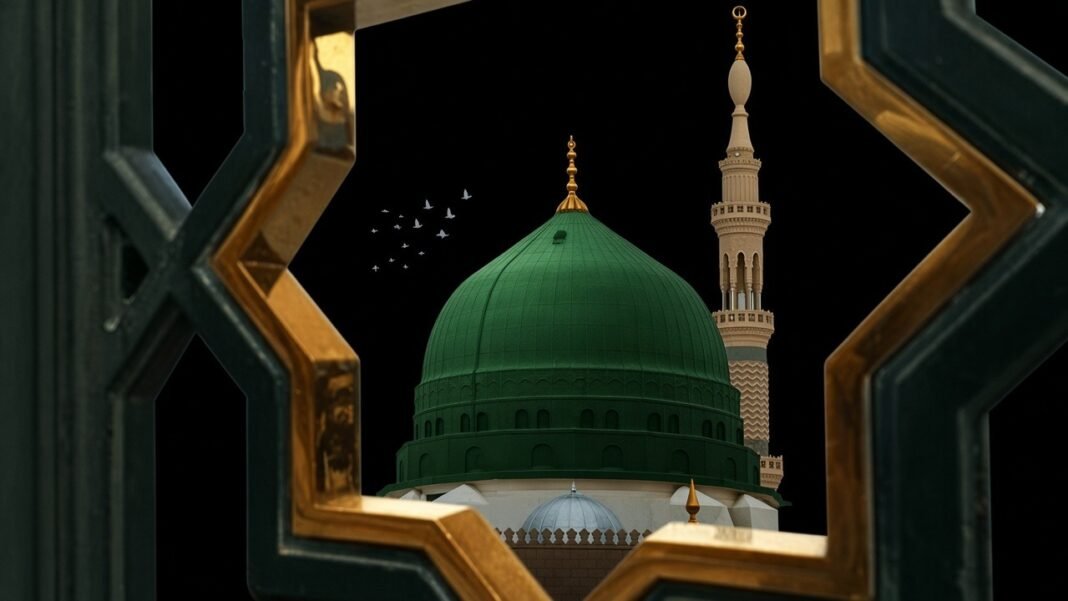
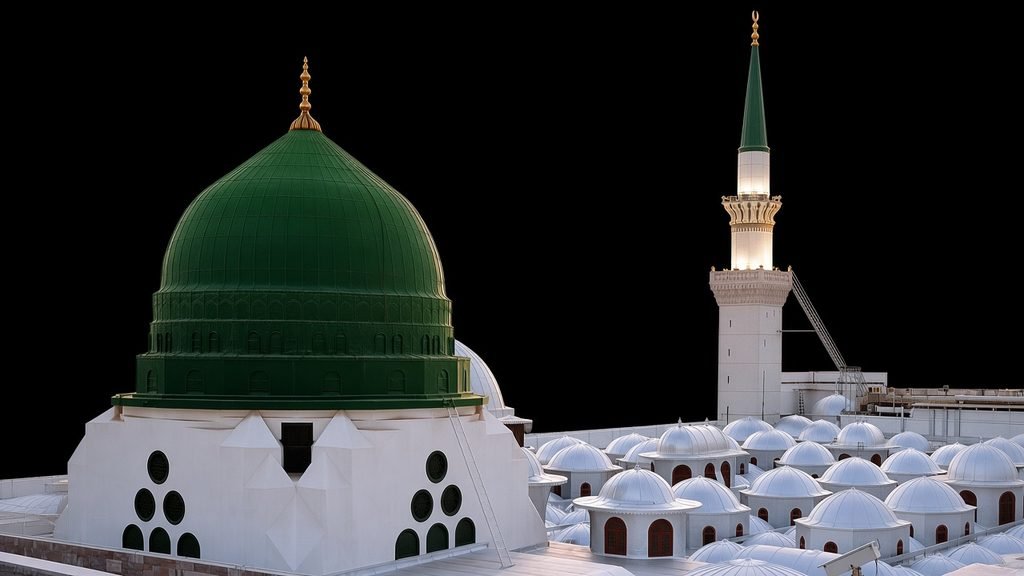
The mosque later became known as Al-Masjid an-Nabawi, or the Prophet’s Mosque. It became one of the most important places in the growing Muslim community.
The building of the mosque also showed how different life had become after the Hijrah. In Mecca, Muslims had been a small group under pressure. In Medina, they were now building an organized community.
Life With Different Groups
Medina already had different tribes and religious communities before Muhammad ﷺ arrived. The Arab tribes included Aws and Khazraj, and Jewish communities also lived in the city and surrounding areas.
This made life in Medina more complicated than simply bringing Muslims together. Different groups had their own traditions, interests, and relationships.
Muhammad ﷺ worked to create an organized society where people could live with agreed responsibilities. A document traditionally known as the Constitution of Medina is associated with this period. It set out agreements and responsibilities among different groups.
However, relations were not always peaceful. Problems and disagreements developed over time, while the Muslims also faced growing pressure from the Quraysh of Mecca.
The Battle of Badr
The Muslims continued to face serious challenges after settling in Medina. One of the earliest major battles was the Battle of Badr, fought in 624 CE.
The Muslims met the Quraysh near Badr. The Muslim force was smaller, but the battle ended with a major Muslim victory.
Badr was important for the growing Muslim community. It increased their confidence and showed that they could defend themselves against a stronger enemy. However, the conflict with the Quraysh did not end.
The Battle of Uhud
In 625 CE, the Quraysh came again, leading to the Battle of Uhud.
The Muslims initially gained an advantage, but the situation later changed. Some Muslim archers left their assigned positions, and the Quraysh took advantage of the opening.
The Muslims suffered heavy losses. Muhammad ﷺ was injured, and many Muslims were killed.
Uhud was a painful experience for the Muslim community. It taught them the importance of discipline, patience, and following instructions during difficult situations. The battle also showed that victory could not be taken for granted.
The Battle of the Trench
In 627 CE, another major threat came toward Medina. A large group of opposing forces joined together and moved against the city.
To defend Medina, the Muslims dug a trench around vulnerable parts of the city. This defensive plan made it difficult for the attacking forces to enter.
The event became known as the Battle of the Trench, or the Battle of the Confederates.
The Muslims faced great fear and pressure during the siege. However, the opposing forces were unable to defeat them and eventually withdrew.
The battle became an important moment because the Muslim community had survived another major threat.
The Treaty of Hudaybiyyah
Not every important event during the Medinan period involved fighting. One of the best examples was the Treaty of Hudaybiyyah.
Around 628 CE, Muhammad ﷺ and his followers traveled toward Mecca intending to perform Umrah. They did not go there as an attacking army, but the Quraysh prevented them from entering the city.
The Muslims stopped at Hudaybiyyah, outside Mecca. After negotiations, an agreement was reached between the Muslims and the Quraysh.
Some Muslims found the terms difficult to accept. They had traveled hoping to visit the Kaaba, but they had to return to Medina without performing Umrah that year.
Even so, Muhammad ﷺ accepted the agreement. The treaty created a period of reduced conflict and gave people more opportunities to meet and communicate with Muslims.
Over time, the treaty proved to be an important turning point. The Muslim community continued to grow during this period.
The Conquest of Mecca
Later, the peace connected with Hudaybiyyah broke down. This created a new crisis between the Muslims and the Quraysh.
By 630 CE, the Muslim community had become much stronger than it had been during the early years in Medina. Muhammad ﷺ moved toward Mecca with a large Muslim force.
The event became known as the Conquest of Mecca.
For Muhammad ﷺ, returning to Mecca was deeply significant. It was the city where he had been born and where he had first preached Islam. Years earlier, he had been forced to leave it. Now he was returning with a strong community behind him.
The entry into Mecca took place with relatively little fighting. Muhammad ﷺ gained control of the city.
Muhammad ﷺ entered Mecca with a large Muslim force, and the city came under Muslim control with limited fighting. The Kaaba was established as a place dedicated to the worship of Allah alone.
Another important part of the conquest was the forgiveness shown toward many former opponents. Although Muhammad ﷺ and his followers had suffered years of opposition, many people were not treated with revenge. This helped reduce further conflict and helped bring Mecca into the growing Muslim community.
The Farewell Pilgrimage
After the Conquest of Mecca, Islam continued to spread across Arabia. More tribes and groups came into contact with Muhammad ﷺ and the Muslim community.
In 632 CE, near the end of his life, Muhammad ﷺ performed Hajj. This journey became known as the Farewell Pilgrimage.
A large number of Muslims joined him. During the pilgrimage, he showed the Muslims how to perform the rites of Hajj. His actions became an important example for Muslims in later generations.
He also delivered what is commonly known as the Farewell Sermon.
The sermon included important guidance about justice, human life, personal responsibility, family relationships, and the rights of others. He warned people against injustice and reminded them to treat one another fairly.
He also emphasized that people should not consider themselves superior to others simply because of their tribe, family, or background. The message was especially meaningful in a society where tribal identity had always been very important.
Medina and the Growth of Islam
The years in Medina completely changed the position of the Muslim community.
At the beginning, the Muslims were a small group facing serious pressure in Mecca. After the Hijrah, they built a community in Medina. The Muhajirun and Ansar became closely connected, the mosque became a center of community life, and the Muslims learned to deal with difficult social and political situations.
The community also faced major battles at Badr, Uhud, and the Trench. These events brought loss and hardship, but they also strengthened the Muslims and helped shape the future of the community.
The Treaty of Hudaybiyyah showed the importance of patience and peaceful agreement. The Conquest of Mecca later ended the main conflict with the Quraysh and changed the religious situation of the city.
By the time of the Farewell Pilgrimage, the small group that had once faced persecution in Mecca had become a large Muslim community.
Final Days, Teachings and Lasting Legacy
The final years of Muhammad ﷺ’s life came after many years of hardship, patience, and dedication. He was born in Mecca, lost his parents at a young age, and later became known for his honesty and trustworthiness. At the age of forty, he received the first revelation and began inviting people to worship Allah.
The early years of his mission in Mecca were difficult. He and his followers faced strong opposition, and many Muslims suffered because of their faith. In 622 CE, Muhammad ﷺ and his followers migrated from Mecca to Medina. This migration, known as the Hijrah, began a new chapter in Islamic history.
In Medina, a growing Muslim community was formed. Muhammad ﷺ guided the community through difficult times, conflicts, agreements, and important changes. Over the years, Islam spread throughout much of Arabia. Muhammad ﷺ eventually returned to Mecca and later performed the Farewell Pilgrimage.
After the Farewell Pilgrimage, his life was nearing its end. His final illness, death, and the teachings he left behind remain deeply important to Muslims. Although Muhammad ﷺ died in 632 CE, the message of Islam continued through the Qur’an and his Sunnah.
His Final Illness
After returning to Medina from the Farewell Pilgrimage, Muhammad ﷺ became seriously ill. According to traditional Islamic accounts, he suffered from fever and weakness, and his condition gradually became worse.
His illness came after more than twenty years of delivering the message of Islam. During that time, the small group of believers in Mecca had grown into a large Muslim community spread across Arabia.
Even during his final illness, the Muslim community remained important to him. His companions were deeply worried because they understood that his condition was serious. Many of them had spent years with him. They had learned from him, prayed with him, traveled with him, and stood beside him during difficult times.
For the companions, the thought of losing Muhammad ﷺ was extremely painful.
His Final Days in Medina
During his final days, Muhammad ﷺ stayed in Medina. Traditional Islamic accounts state that he spent his final days in the room of his wife Aisha.
As his illness became more serious, his strength became weaker. The people around him remained concerned about his condition.
Muhammad ﷺ had been the person the Muslims turned to for guidance for many years. They listened to his words and watched his actions. He had taught them how to worship Allah and how to deal with other people.
His final illness meant that the Muslim community would soon have to continue without his physical presence.
However, the message of Islam did not depend on Muhammad ﷺ living forever. Muslims believed that he had completed the responsibility given to him by Allah. The Qur’an remained, and his teachings and example continued to be remembered by his companions.
The Death of Muhammad ﷺ
Muhammad ﷺ died in Medina in 632 CE at the age of 63. His death was a deeply painful moment for the Muslim community.
Many companions were shocked and struggled to accept what had happened. Muhammad ﷺ had been at the center of their community for many years. They had seen him during persecution in Mecca, the migration to Medina, times of conflict, peace agreements, and the spread of Islam across Arabia.
Abu Bakr, one of his closest companions, reminded the people that Muhammad ﷺ was the Messenger of Allah and that Allah would always remain. His words helped the community understand that although Muhammad ﷺ had died, the religion he brought had not ended.
This became an important moment in Islamic history. The Muslims now had to continue living according to the guidance of Allah and the teachings Muhammad ﷺ had delivered.
His Burial in Medina
Muhammad ﷺ was buried in Medina, in the place where he died. According to traditional Islamic accounts, this was the room of Aisha. That place later became part of the area of Al-Masjid an-Nabawi.
Medina already had a special place in Islamic history. It was the city where Muhammad ﷺ and the Muslims had settled after the Hijrah. It had also become the center of the growing Muslim community.
After his death, the companions continued to preserve what they had learned from him. They remembered his sayings, actions, and teachings. The Qur’an continued to be recited and memorized, while his example continued to be passed from one generation to another.
The Qur’an and Sunnah
The Qur’an and Sunnah are central to understanding the lasting legacy of Muhammad ﷺ.
Muslims believe that the Qur’an is the word of Allah revealed to Muhammad ﷺ through the Angel Jibreel. The revelation began when Muhammad ﷺ was in the Cave of Hira and continued for many years.
The Qur’an became the central religious book of Islam. It teaches Muslims about faith, worship, good behavior, justice, family life, and responsibility.
Muhammad ﷺ delivered the revelation to the people. His life also showed Muslims how to follow its teachings in everyday situations.
The Sunnah refers to the way, example, practices, and teachings of Muhammad ﷺ. His companions observed his actions and remembered his words. Reports about his sayings and actions later became part of the Hadith tradition.
Together, the Qur’an and Sunnah help Muslims understand the message of Islam and how it should be practiced.
The Importance of the Qur’an
For Muslims, the Qur’an is the most important source of religious guidance. It teaches belief in one Allah and reminds people that they are responsible for their actions.
The Qur’an encourages honesty, justice, kindness, patience, and care for people who are in need. It also tells people about earlier prophets and communities and reminds them about life after death.
During Muhammad’s ﷺ lifetime, many companions memorized the Qur’an, while its verses were also written down. After his death, Muslims continued to preserve and study it.
Today, the Qur’an remains at the heart of Muslim life. Muslims recite it in their prayers, read it for guidance, and teach it to their children.
The Sunnah of Muhammad ﷺ
The Sunnah gives Muslims an example of how Muhammad ﷺ lived according to the teachings of Islam.
For example, Muslims learn about prayer not only from the Qur’an but also from the way Muhammad ﷺ prayed. His actions showed his followers how religious teachings could be practiced in daily life.
His behavior toward family members, neighbors, children, friends, and other members of society also became an important example.
The Hadith tradition preserves many reports about his words and actions. Muslim scholars later collected and studied these reports carefully.
Because of this, the life of Muhammad ﷺ became an important part of Islamic learning.
His Teachings About Faith
The central teaching of Muhammad ﷺ was to worship Allah alone. From the beginning of his mission, he called people away from idol worship and toward belief in one God.
He taught that faith should affect the way people live. Belief was not simply something to say. A person should also try to be honest, fair, kind, patient, and responsible.
Prayer, charity, remembrance of Allah, and good behavior were all important parts of a Muslim’s life.
Muhammad ﷺ also taught that every person would be responsible for their actions. Wealth, family background, and social position could not remove a person’s responsibility before Allah.
Faith in Everyday Life
Muhammad ﷺ taught that religion should be visible in everyday behavior.
A person should be honest in business, keep promises, treat family members well, respect neighbors, and help people who need support.
He taught that worship and good character belong together. A person should not think that religious practice makes harmful behavior acceptable.
These teachings helped create a moral foundation for the Muslim community.
His Teachings About Justice
Justice was another important part of Muhammad’s ﷺ teachings. He taught people not to support wrongdoing simply because the person responsible was a family member or part of their tribe.
Arabian society at that time placed great importance on tribal loyalty. Muhammad ﷺ taught that moral responsibility was more important than blind loyalty.
People were expected to act fairly, protect the rights of others, and avoid oppression.
The Muslim community included people from different tribes and backgrounds. Justice helped create a stronger sense of unity among them.
Justice Beyond Tribal Loyalty
Muhammad ﷺ did not tell people to ignore their families. Instead, he taught that family and tribal relationships should not become an excuse for injustice.
If someone from one’s own group did something wrong, that did not make the wrong action right.
This was an important change in the way people understood responsibility. Muslims were encouraged to stand for what was right rather than simply supporting their own group.
Mercy and Kindness
Mercy and kindness were also important parts of Muhammad’s ﷺ teachings.
His treatment of many people after the Conquest of Mecca is remembered by Muslims as an example of forgiveness. The people of Mecca had opposed him and his followers for years. Yet when Muhammad ﷺ returned to the city with strength and authority, he did not make the return an opportunity for widespread revenge.
This became an important lesson for Muslims: having power does not mean a person must become cruel.
Muhammad ﷺ also taught people to care for the poor, orphans, and others who were vulnerable. Helping people in need was treated as an important part of religious life.
Good Character
Muhammad ﷺ placed great importance on good character. Even before becoming a Prophet, he was known for being honest and trustworthy.
He encouraged people to speak the truth, keep promises, respect others, and avoid harmful behavior.
Good character was not limited to public life. It also mattered inside the home and in relationships with family members and neighbors.
For Muslims, this is one reason his everyday behavior remains important. His life provides examples of how faith can be reflected through ordinary actions.
His Teachings About Family
Muhammad ﷺ was a husband, father, grandfather, and member of a family. His family life therefore became an important part of his example.
He taught people to treat family members with kindness and fairness. Responsibilities inside the home were important, and people were encouraged to care for those closest to them.
His teachings showed that good behavior should begin at home. A person should not behave kindly in public while treating family members badly in private.
For Muslims, family relationships are therefore an important place to practice patience, respect, kindness, and responsibility.
Human Equality
Muhammad ﷺ also taught that people should not consider themselves better than others simply because of their tribe, family, race, or ancestry.
This message was important in a society where tribal identity had a strong influence on people’s lives.
Islam taught that a person’s value was not based simply on their family background or social position. Faith and righteous conduct were more important.
The early Muslim community included people from different tribes and social backgrounds. Over time, Muslims from many different parts of the world became part of the same religious community.
Why Muhammad ﷺ Remains Important
Muslims believe that Muhammad ﷺ was the final Prophet and Messenger of Allah. Because of this, he has a unique place in Islam.
Muslims do not worship Muhammad ﷺ. They worship Allah alone. At the same time, they deeply love and respect Muhammad ﷺ as the Messenger of Allah.
His life is studied because it gives Muslims examples of faith, patience, honesty, mercy, justice, and responsibility.
His life also shows how to deal with different situations. He experienced hardship, loss, opposition, success, responsibility, and leadership.
His Example During Hard Times
Muhammad ﷺ faced many difficulties throughout his life. He lost his parents when he was young, later lost important family members, faced strong opposition in Mecca, and eventually had to leave his birthplace.
His followers also suffered because of their faith.
Despite these difficulties, he continued his mission.
For Muslims, his patience during difficult times remains an important example. His life teaches that hardship does not mean a person should give up on what they believe is right.
His Example During Success
Muhammad’s ﷺ character was also seen during times of success.
The Conquest of Mecca changed his position greatly. The person who had once been forced to leave the city returned with a strong Muslim community.
His response to victory is remembered as an example of forgiveness and restraint.
For Muslims, this shows that strength does not have to lead to cruelty. A person can have power and still choose mercy.
His Historical Influence
The historical influence of Muhammad ﷺ is very large.
When his mission began, Arabia was made up of many tribes and communities. Within a few decades, Islam had spread throughout much of the Arabian Peninsula.
After his death, Islam continued to spread to other regions. Over many centuries, Muslim communities developed across Asia, Africa, Europe, and other parts of the world.
Islam also became connected with scholarship, law, literature, architecture, education, and many other areas of life.
However, Muslims understand Muhammad’s ﷺ importance as much more than historical influence. His most important role, in their belief, is that he was the Messenger of Allah who delivered the message of Islam.
A Message Beyond Arabia
Muhammad ﷺ began preaching in Mecca, but Islam did not remain limited to Mecca or Arabia.
The message reached people from many different cultures and languages. Today, Muslims live in countries across the world and come from many different backgrounds.
Although Muslim communities have different cultures and traditions, they share central beliefs connected with the Qur’an and the teachings of Muhammad ﷺ.
This worldwide Muslim community is an important part of his lasting legacy.
The Legacy of His Character
Muhammad’s ﷺ legacy is not limited to major historical events.
Muslims also remember his honesty, patience, mercy, humility, kindness, and sense of responsibility.
These qualities can be applied to everyday life.
A Muslim may study important events such as the Hijrah, the Battle of Badr, or the Conquest of Mecca. But the lessons from his life also apply to simple situations.
How should a person treat a neighbor? How should someone behave with parents? What should a person do when another person trusts them? How should someone respond during an argument?
The Sunnah helps Muslims look for answers through the example of Muhammad ﷺ.
From Childhood to His Final Days
The life of Muhammad ﷺ went through many different stages.
He began life in Mecca and lost his father before he was born. He lost his mother while he was still a child and later came under the care of his grandfather and uncle.
As a young man, he became known for honesty and trustworthiness. He married Khadijah and built a family life.
At the age of forty, he received the first revelation. From that point, his main responsibility became delivering the message of Islam.
The years in Mecca were difficult. His followers faced persecution, and he himself faced strong opposition.
After the Hijrah, life in Medina brought new responsibilities. Muhammad ﷺ helped build a Muslim community and guided it through difficult situations.
There were conflicts, agreements, victories, and challenges. Eventually, the Muslims returned to Mecca, and the city came under Muslim control.
Muhammad ﷺ later performed the Farewell Pilgrimage. Soon after returning to Medina, he became seriously ill.
He died in Medina in 632 CE at the age of 63.
His earthly life had ended, but the message he delivered continued.
A Lasting Legacy
After his death, his companions continued to preserve his teachings and example.
They had personally seen how he prayed, taught, led, and dealt with people. They remembered his words and actions and passed this knowledge to later generations.
The Qur’an continued to be memorized, recited, and studied. Reports about Muhammad’s ﷺ words and actions were also collected and examined by Muslim scholars.
The study of Hadith became an important part of Islamic scholarship. His biography, known as the Sirah, also became an important subject for Muslims who wanted to understand his life.
People continued to study his childhood, his years in Mecca, the Hijrah, his life in Medina, and his final days.
Muhammad ﷺ lived a life filled with hardship, responsibility, faith, and service. From his childhood in Mecca to his final days in Medina, his life went through many major changes.
He lost his parents at a young age, became known for his honesty, received revelation at the age of forty, faced years of opposition, migrated to Medina, built a growing Muslim community, and guided his followers through many difficult situations.
In 632 CE, he became seriously ill and died in Medina at the age of 63.
His death brought deep sadness to the companions, but the message of Islam continued.
The Qur’an remained at the center of the faith, while the Sunnah continued to provide an example of how Muslims could practice that faith in daily life.
For Muslims, Muhammad ﷺ remains the final Prophet and Messenger of Allah. His teachings about faith, honesty, justice, mercy, family, equality, and good character continue to influence Muslim life.
His historical influence also reached far beyond Arabia. Islam eventually became a global religion followed by people from many different cultures and backgrounds.
More than fourteen centuries after his death, Muhammad ﷺ continues to be remembered and respected by Muslims around the world.
His life is not remembered only as a story from the past. For Muslims, it remains a source of faith, guidance, patience, and good character. His earthly life ended in Medina, but the message he delivered and the example he left behind continue to shape the lives of Muslims today.