


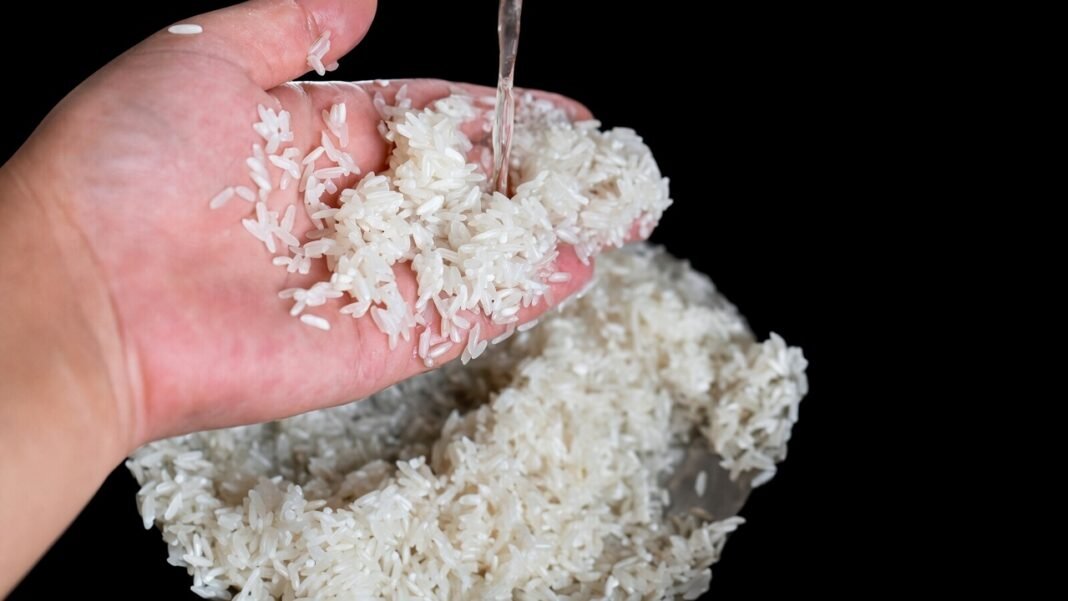
How many times should you wash rice before cooking? It is a simple kitchen question, but many families have their own way of doing it. Some people wash rice once or twice, while others rinse it several times until the water looks clear.
For many households, washing rice is a normal part of preparing a meal. It helps remove dust, loose starch and anything else that may be sitting on the surface. But washing it again and again does not necessarily mean the rice becomes much cleaner or healthier.
For everyday cooking, washing rice two or three times is generally a practical choice.
Why Do People Wash Rice?
Rice goes through several stages before it reaches the kitchen. During processing, packaging and transportation, small amounts of dust or surface particles may come into contact with the grains.
Read More:
Washing the rice helps clean the outside of the grains before cooking. It can also remove some of the loose starch from the surface.
This is one reason the water becomes cloudy during the first wash. After another rinse or two, the water usually becomes lighter.
However, there is no need to keep washing rice simply because the water is not completely clear.
Is Washing Rice Two Times Enough?
For most packaged rice, two washes with clean water can be enough for normal cooking.
The first wash removes much of the surface dust and loose material. A second wash can remove more of the remaining particles and surface starch.
Some people prefer to wash rice three times, and that is also reasonable. The important point is that there is usually no need to spend a long time rinsing the grains.
The exact number can also depend on the type and quality of rice being used.
Should You Wash Rice Three Times?
Yes, washing rice three times is perfectly fine if that is part of your usual cooking routine.
A simple method is to put the rice in a bowl, add clean water and gently move the grains around with your fingers. Drain the water and repeat the process two or three times.
You do not need to wait for the water to become crystal clear.
A small amount of cloudy water does not necessarily mean the rice is dirty. Some of that cloudiness comes from starch on the surface of the grains.
Does Washing Rice Remove Arsenic?
Arsenic in rice is a topic that often causes concern. Rice can absorb arsenic from the environment in which it grows, so some people believe washing it many times can solve the problem.
But repeatedly rinsing rice is not a reliable way to remove arsenic.
Washing can have some effect, but simply increasing the number of rinses from two or three to five or seven does not mean the rice will become free from arsenic.
If arsenic exposure is a concern, the source of the rice and the cooking method are more important factors to consider.
Can Washing Rice Remove Nutrients?
Another reason not to over-wash rice is the possible loss of some nutrients.
Some nutrients are water-soluble. Repeated contact with water can cause some of these nutrients to move away from the rice and be discarded with the washing water.
This can be more relevant for rice that has been fortified with vitamins and minerals.
That does not mean you should avoid washing rice altogether. Cleaning rice before cooking is still a normal and useful step. The point is simply that excessive washing may not offer much extra benefit.
Does Washing Rice Make It Healthier?
Washing rice can make it cleaner by removing surface dust and loose material. But more washing does not automatically make it healthier.
There is a difference between washing rice properly and washing it excessively.
For most home cooking, two or three rinses can provide a reasonable balance. You can clean the rice without wasting too much water or spending unnecessary time at the sink.
How to Wash Rice Properly | How Many Times Should You Wash Rice
Washing rice does not need to be complicated.
First, measure the amount of rice you need and place it in a clean bowl. Add fresh water and gently move the rice around with your fingers.
Drain the water carefully. Then add fresh water and repeat the process.
After two or three washes, the rice is ready to cook.
There is no need to scrub the grains aggressively. Gentle washing is enough for ordinary packaged rice.
What If the Rice Looks Very Dirty?
If the rice appears unusually dirty or contains visible unwanted material, it is better to inspect the grains carefully before cooking.
You can remove any visible foreign particles and wash the rice with clean water.
In such cases, the quality and source of the rice are also worth considering. Buying rice from a reliable source can help reduce concerns about cleanliness.
Does Every Type of Rice Need the Same Washing?
Not necessarily.
Different types of rice can have different processing methods and cooking instructions. Some rice varieties are intended to retain more surface starch, while others are commonly rinsed before cooking.
Fortified or specially processed rice may also have different instructions on the package.
So, if the rice packet provides specific cooking directions, following those instructions is a good idea.
How Many Times Should You Wash Rice?
If you want a simple answer, wash rice two or three times before cooking.
That is enough for many types of packaged rice used in everyday meals. Washing five, six or seven times is usually unnecessary just to make the water completely clear.
The best approach is to wash the rice gently with clean water, avoid unnecessary rinsing and then cook it using a suitable method.
Final | How Many Times Should You Wash Rice
Washing rice is a small part of cooking, but it is something many people do every day. There is no need to make the process more complicated than it needs to be.
For most people, two or three washes are enough to remove surface dust and loose starch before cooking. Repeatedly washing rice until the water is perfectly clear may waste water and can potentially remove some water-soluble nutrients.
So next time you prepare rice, a couple of good rinses may be all you need.